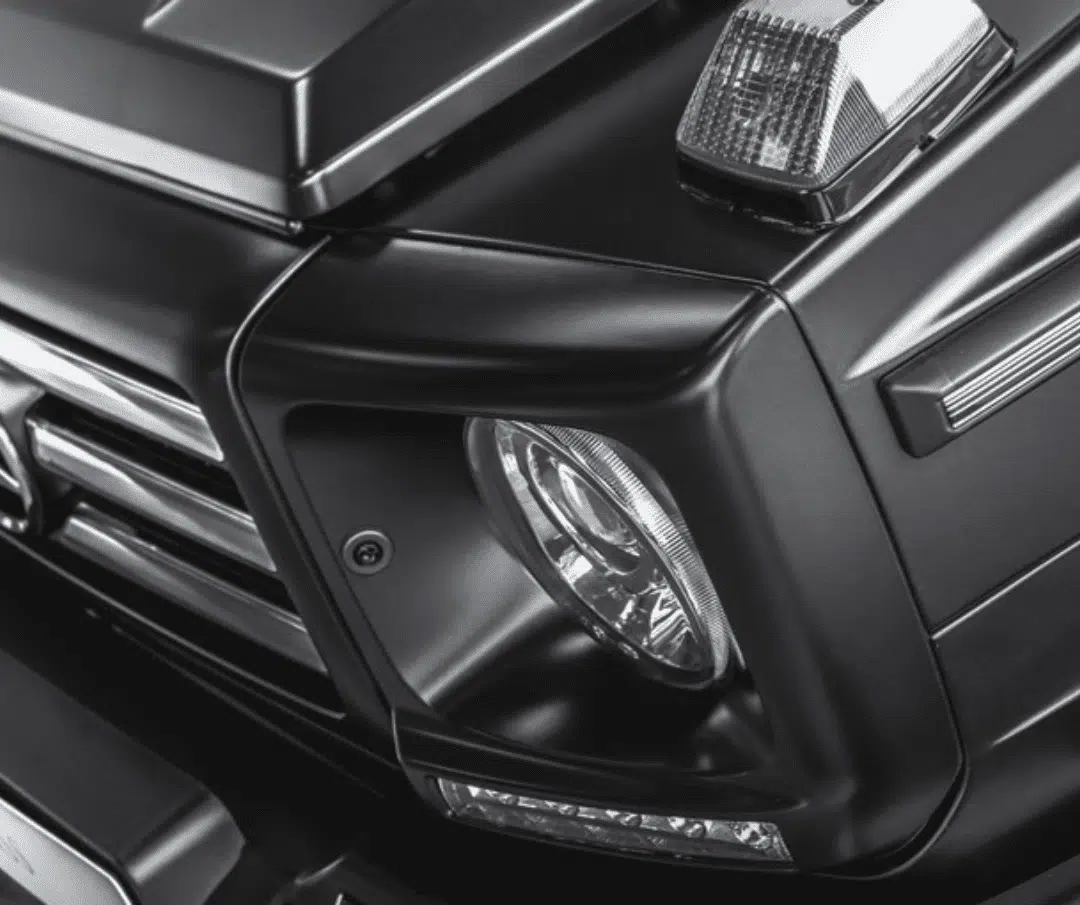
Paint protection film (PPF) and ceramic coating protect your car in completely different ways — and most vehicles benefit from both. PPF physically blocks damage. Ceramic coating repels contamination and adds gloss. They’re complements, not competitors.
Here’s how to decide what your car actually needs.
What Each Product Does
Paint Protection Film (PPF)
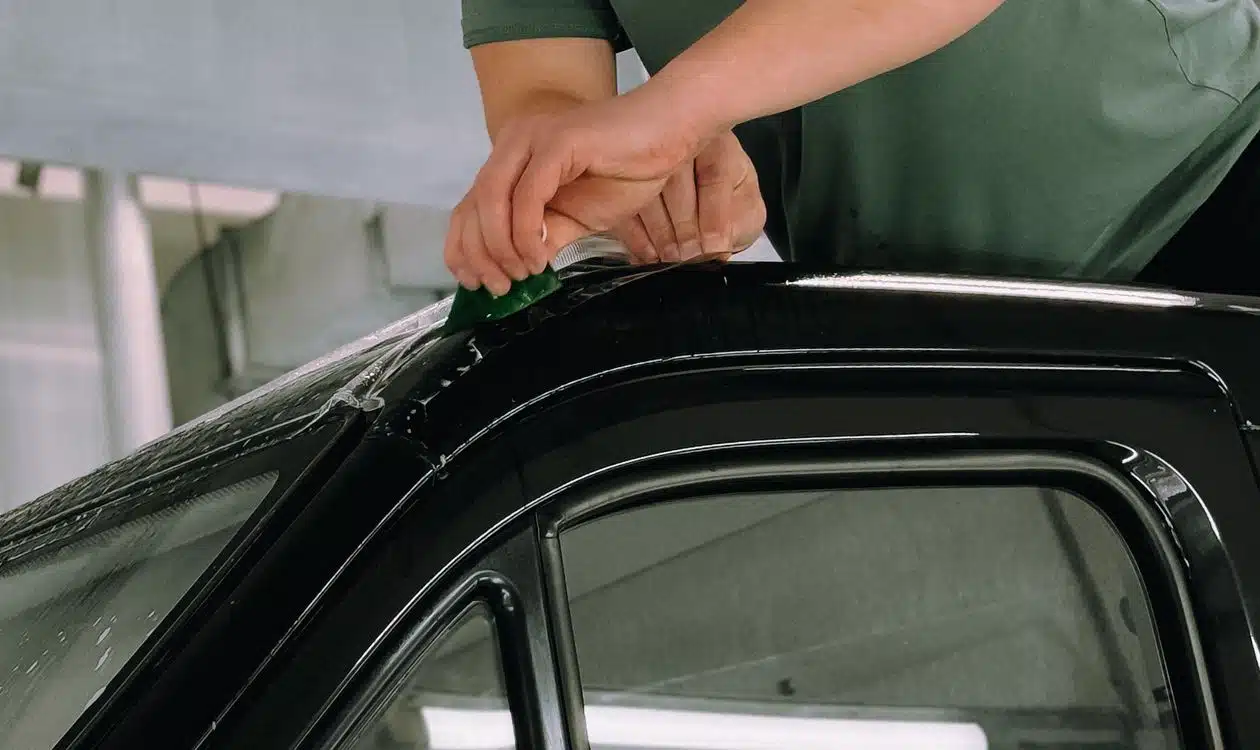
PPF is a thick, clear thermoplastic urethane film applied directly to your vehicle’s painted surfaces. Think of it as an invisible physical armor layer.
What PPF protects against:
- Rock chips and road debris
- Shopping cart dings (minor)
- Bug splatter, bird droppings (prevents etching)
- Road tar
- Light scratches and abrasions
- Minor vandalism (key scratches — depending on film thickness)
Key feature: self-healing. Premium PPF like XPEL Ultimate Plus has a self-healing topcoat — light surface scratches disappear with heat exposure (sunlight, hot water, heat gun). The film physically relaxes back to flat.
What PPF does NOT do:
- Chemical protection (beyond surface resistance)
- Deep scratch resistance (major impacts will penetrate any film)
- Hydrophobic/water-beading (without a separate coating on top)
Ceramic Coating
Ceramic coating is a liquid polymer that bonds to your car’s clear coat (or to PPF) and cures into a hard, semi-permanent protective layer.
What ceramic coating does:
- Creates a hydrophobic surface — water beads and rolls off, taking dirt with it
- Makes washing easier — contaminants don’t bond as strongly to the surface
- Adds depth and gloss to the paint
- Resists chemical etching from bird droppings, tree sap, and industrial fallout
- Blocks UV from oxidizing and fading clear coat
- Resists light swirl marks from washing
What ceramic coating does NOT do:
- Stop rock chips — ceramic is typically 2–9 microns thick. A flying pebble at highway speed will go right through it
- Self-heal — scratches that break through ceramic are permanent until polished out
- Replace waxing permanently — coating degrades over years and needs maintenance/recoating
The Key Difference: Physical vs. Chemical Protection
| Feature | PPF | Ceramic Coating |
|---|---|---|
| Rock chip protection | Yes — absorbs impact | No — too thin |
| Scratch resistance | Yes — self-healing surface | Light swirls only |
| Chemical/UV protection | Moderate | Excellent |
| Hydrophobic (water beading) | No (without coating on top) | Yes |
| Gloss enhancement | Minimal (clear/matte finish options) | Significant |
| Ease of washing | Similar to unprotected paint | Significantly easier |
| Self-healing | Yes (with heat) | No |
| Cost | Higher | Lower |
| Coverage | High-impact zones | Whole-vehicle |
Which Does Your Car Actually Need?
You Need PPF If:
- You drive on highways regularly. Rock chips are the #1 paint killer for OC drivers on the 405, 55, and PCH. Ceramic coating won’t stop them. PPF will.
- You drive a new or expensive vehicle. The cost of a single paint chip repair on a modern car (color matching, clear coat, buffing) can run $300–$500+ per panel. PPF pays for itself quickly.
- You’re leasing. Returning a leased vehicle with rock chips triggers excess wear charges. A PPF front package protects your security deposit.
- You park in high-risk areas. Construction zones, gravel roads, parking lots with shopping cart traffic.
- You want self-healing protection. Only PPF provides this.
You Need Ceramic Coating If:
- You want to simplify washing. A properly coated car sheds road grime, bird droppings, and dust dramatically faster. Weekly washes become 10-minute rinses.
- You park outside in the California sun. Ceramic blocks UV from oxidizing and fading your paint’s clear coat over years.
- You want maximum gloss. Ceramic adds noticeable depth to paint — especially effective on dark colors.
- You want chemical protection. Bird droppings and tree sap are mildly acidic and etch clear coat on contact if left too long. Ceramic’s chemical resistance gives you a longer window to safely remove them.
- You want long-term paint preservation at lower cost than PPF.
The Best Answer: Both
The ideal combination:
- Apply PPF to high-impact zones — full hood, front bumper, fenders, mirrors, door leading edges, rocker panels
- Apply ceramic coating over the PPF and the rest of the vehicle — the PPF’s self-healing surface bonds well with ceramic, and the rest of the paint gets chemical, UV, and hydrophobic protection
This is what most serious car owners in Orange County do. You get physical impact protection where you need it most, and chemical/aesthetic protection everywhere.
Want PPF on your vehicle?
Cost Comparison
| Product | Coverage | Price Range |
|---|---|---|
| PPF — partial front package | Hood, bumper, fenders, mirrors | $800–$2,500+ |
| PPF — full vehicle | All painted surfaces | $3,000–$8,000+ |
| Ceramic coating — single stage | Whole vehicle | $500–$1,500+ |
| Ceramic coating — professional grade | Whole vehicle, multi-layer | $1,000–$3,000+ |
| PPF + ceramic coating combo | Full protection | $1,500–$5,000+ |
The Tint Pros offers PPF installation at both our Costa Mesa and Huntington Beach locations. Contact us for vehicle-specific pricing. For a detailed breakdown by coverage level and vehicle type, see our paint protection film cost in Orange County guide.
Frequently Asked Questions
Should I get PPF or ceramic coating on my new car?
If you can only do one, PPF. Physical rock chip protection is the leading cause of paint damage for OC drivers. Ceramic coating adds gloss and chemical protection but won’t stop chips. Ideally, do both — PPF on the high-impact front end and ceramic over everything. For a full breakdown of coverage levels and how to decide what a new car actually needs, see our guide to PPF for a new car.
Can you apply ceramic coating over PPF?
Yes — and it’s recommended. Ceramic coating on top of PPF enhances the film’s gloss, adds hydrophobic properties, and can make the PPF look better and last longer. XPEL PPF is specifically designed to receive ceramic coating on top.
How long does PPF last?
XPEL Ultimate Plus PPF carries a 10-year manufacturer warranty and is designed to last the life of the vehicle under normal conditions.
How long does ceramic coating last?
Professional-grade ceramic coatings typically last 3–7 years depending on product tier and maintenance. Consumer-grade DIY coatings last 1–2 years. Proper washing technique (no automatic car washes with brushes) extends coating life significantly.
Does The Tint Pros install ceramic coating?
The Tint Pros installs PPF (XPEL) and window film. Contact us for current availability on ceramic coating services or recommendations for trusted OC detailing shops that offer professional ceramic application.